


FTEU SMS
Free To End User Short Code SMS
Deliver real-time verifications, confirmations, and two-way conversations, all through a short code. Free for your customers and built to drive stronger connections for your business.









The Use Case Scenario
How Businesses Use FTEU Short Code SMS

Number Verification
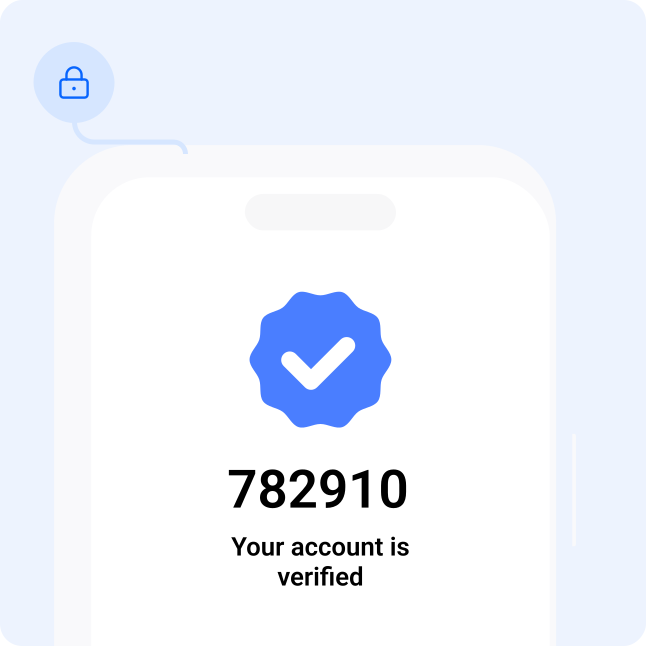
Ensure accuracy and security with instant, free-to-receive messages. Use FTEU Short Code SMS to verify customer numbers, send OTPs, and confirm registrations.

Alerts
Give customers timely updates (ETA, confirmations, status changes) via free FTEU alerts. Better experience, fewer support tickets, and higher retention.

Public Service Messages
As applied to public service messages, the use of an FTEU short code allows the public to interact with a government agency or public service without worrying about SMS charges.
Workflow
How FTEU works
The customer’s application generates a unique verification code for the user.
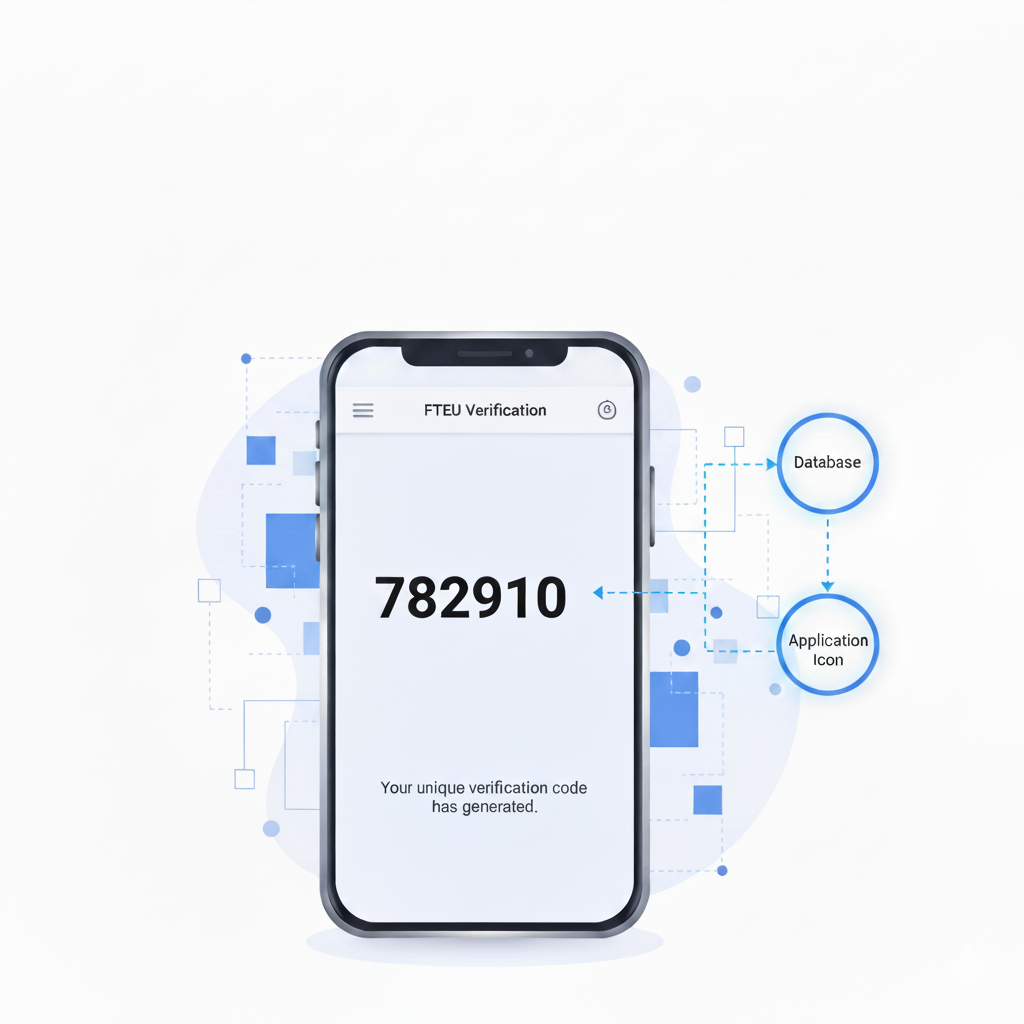
This verification code is sent via SMS to the designated FTEU short code.
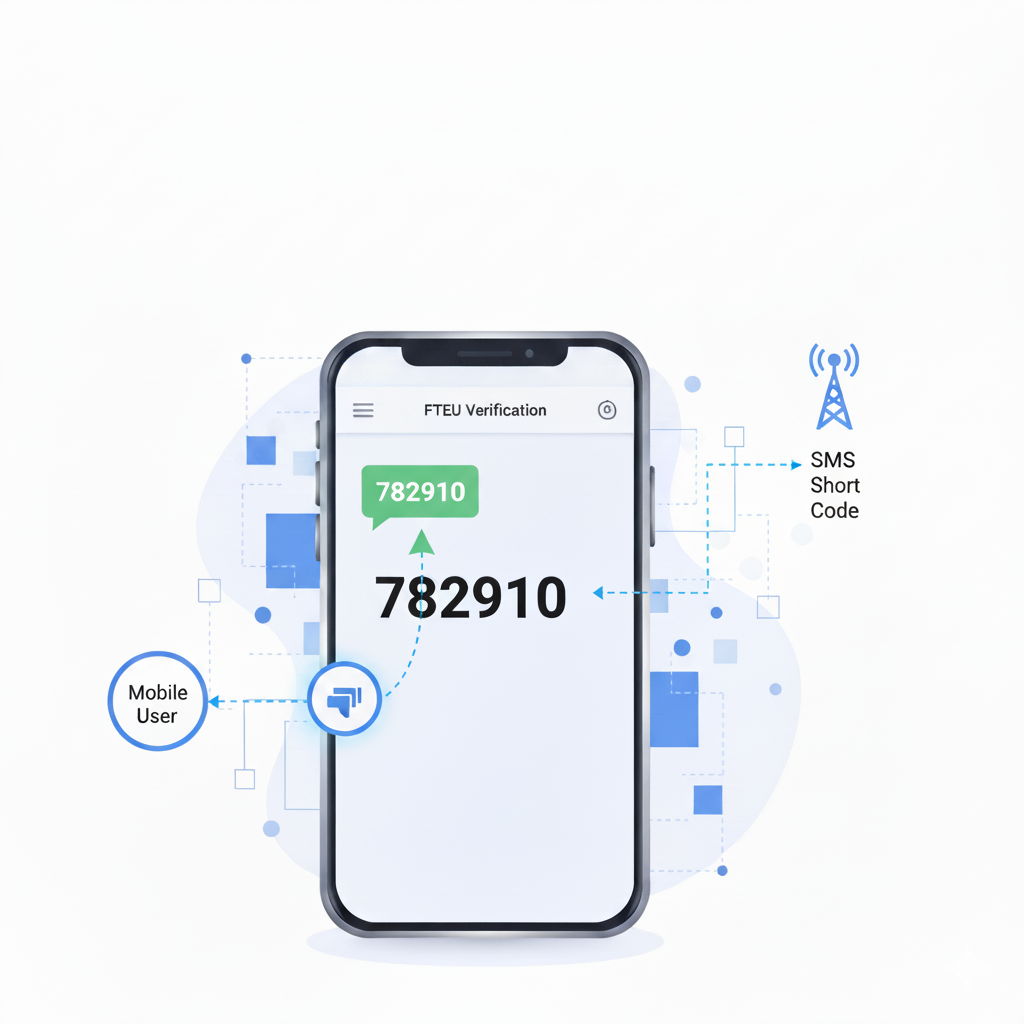
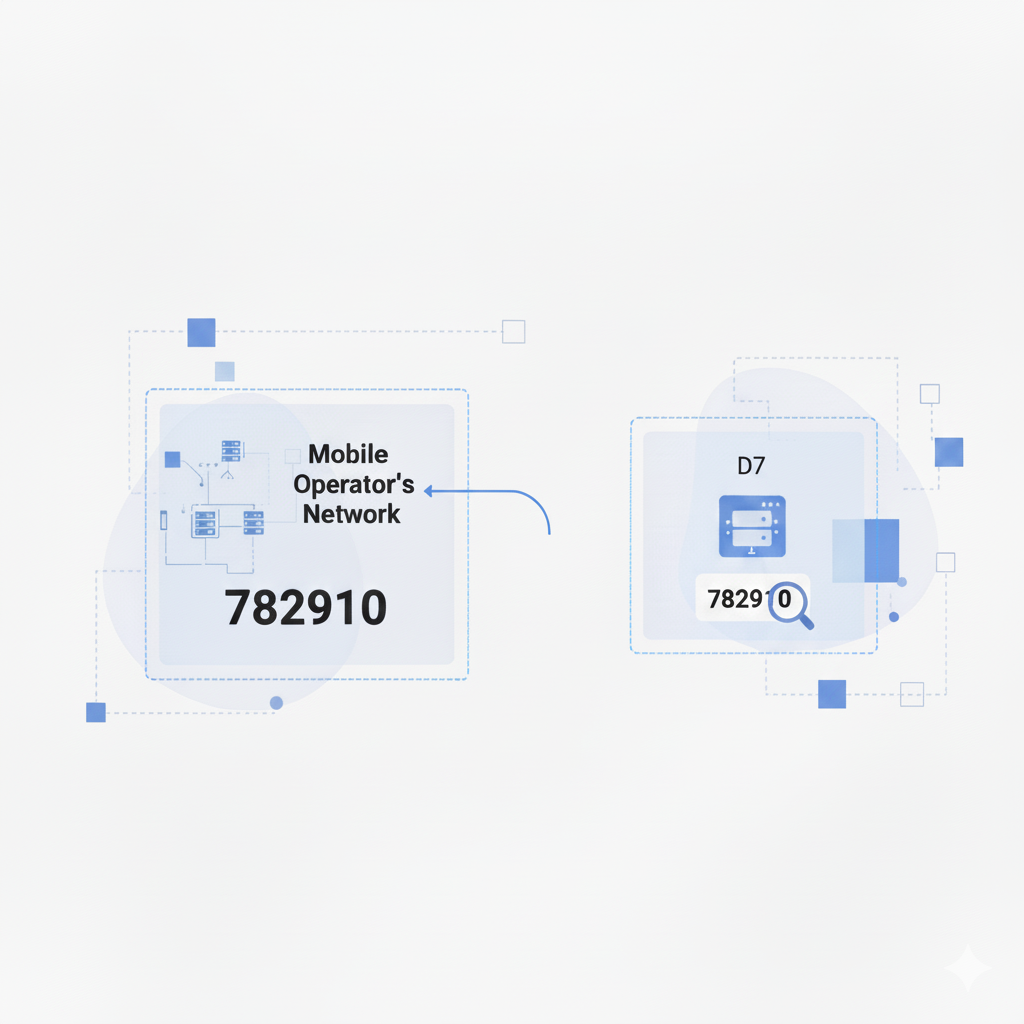
The message is captured at the network level by the mobile operator.
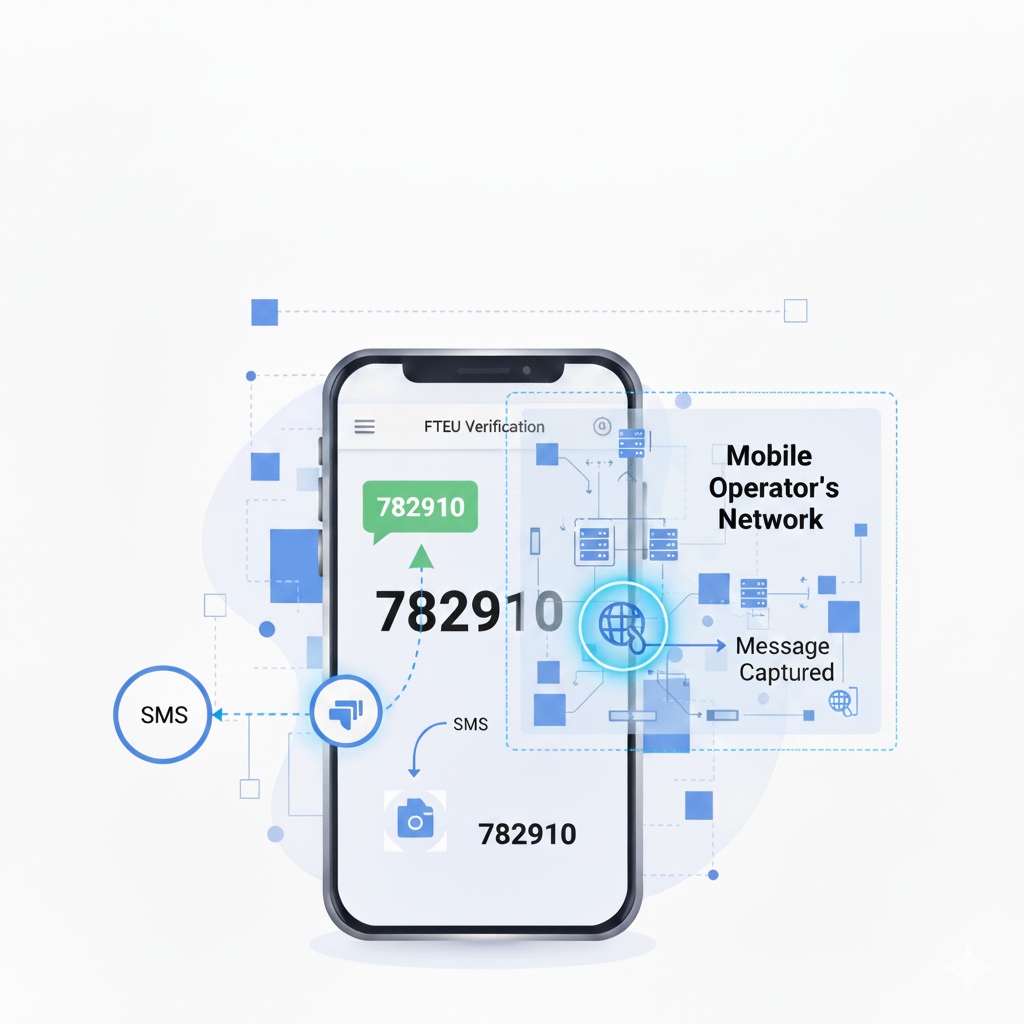
The operator then forwards the message to D7 as a Mobile Originated (MO) message.
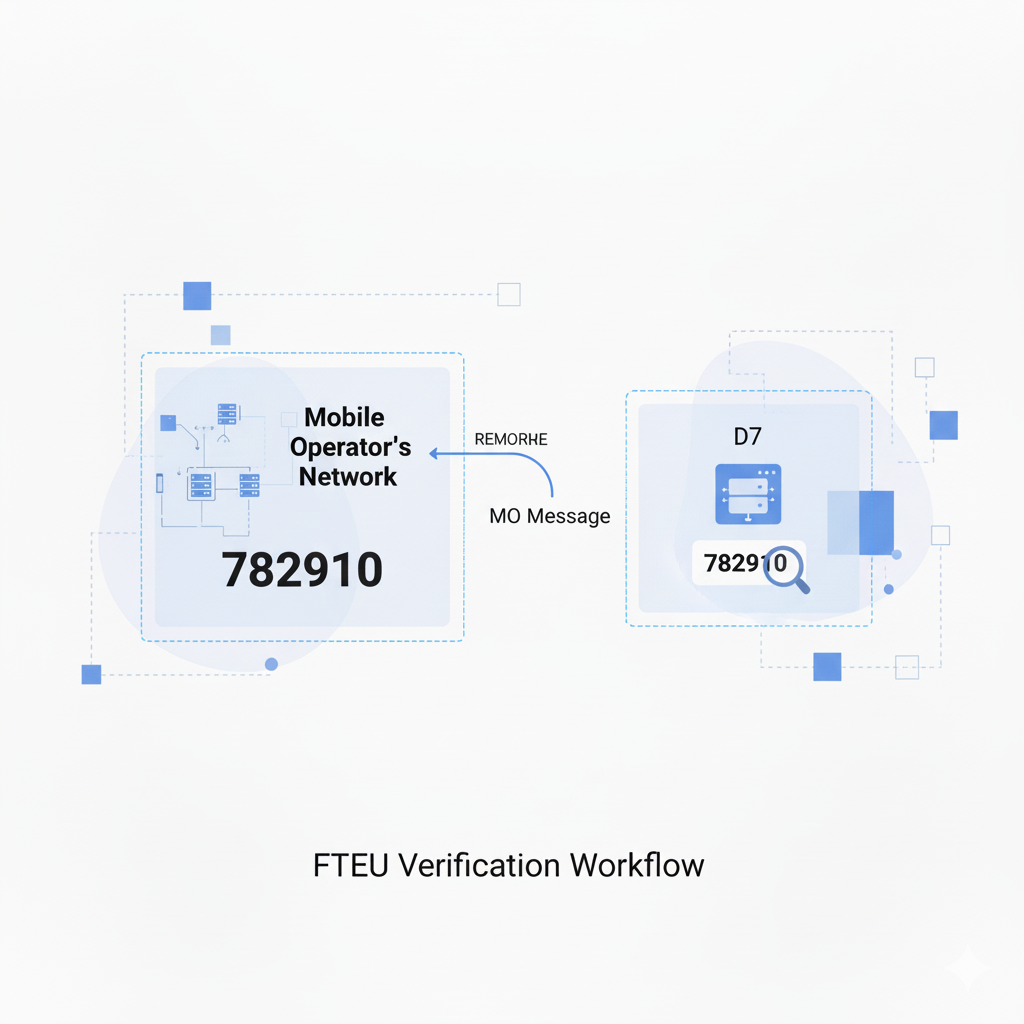
D7 receives the message unchanged, ensuring the original content and authenticity of the code remain intact before being sent to enterprises.
Information Security
Stay Compliant with Information Security
As an ISO/IEC 27001:2013 certified provider, we uphold the highest standards of data protection and regulatory compliance. The Information Security and Compliance Standards are integrated across all operations, ensuring strong encryption, controlled access, and continuous monitoring to maintain data integrity and global security alignment.
Unique Features
Secure Access. Verify Fast



FAQ's
No. With an FTEU setup, the end user is not charged for sending the message. All applicable MO charges are handled by the service provider or enterprise managing the Short Code service..
Yes. Telecom operators can configure Toll-Free or FTEU Short Codes to receive automated messages generated from user devices or SIM-based applications..
An FTEU Short Code service allows mobile users to send messages to a Short Code without incurring any charges. Instead, the business or service provider bears the Mobile Originated (MO) messaging costs payable to telecom operators..
Yes. The Short Code can typically be configured for connectivity across all major telecom operators within the target country, subject to operator agreements and regulatory approvals..
Common use cases include handset activation, SIM registration, device onboarding, telecom provisioning, customer verification, and automated service enrollment..

Sign Up and Try SMS for Free
Start today and enhance your communication workflows.