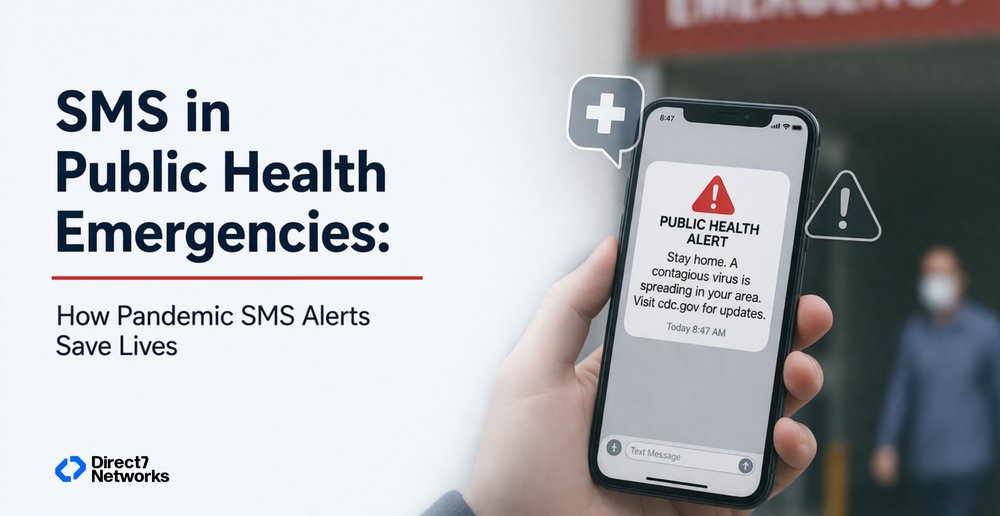

SMS in Public Health Emergencies: How Pandemic SMS Alerts Save Lives
In early 2020, as COVID-19 cases began rising rapidly, millions of people woke up to short, direct messages on their phones: “Stay home. Avoid gatherings. Wash hands frequently.” There was no app to download, no email to check, no social media algorithm deciding visibility. Just a simple SMS seen within seconds.
Those messages did more than inform. They changed behavior at scale.
When healthcare systems are under pressure and time is critical, communication isn’t just important, it becomes life-saving infrastructure. This is where pandemic SMS alerts and broader emergency SMS communication prove their value.
Why SMS Becomes Critical in Public Health Crises
During a public health emergency, the biggest challenge isn’t always the lack of information, it’s delivering the right message, to the right people, at the right time.
SMS consistently outperforms other channels in this context for a few practical reasons:
- Near-universal reach: Even basic mobile phones can receive SMS
- No internet dependency: Critical in rural or low-connectivity areas
- High open rates: Most messages are read within minutes
- No user friction: No apps, logins, or updates required
While apps and email play supporting roles, they often fail under urgency. People don’t check email during emergencies, and app notifications depend on prior installation and permissions. SMS cuts through all of that.
For public health teams, this makes SMS less of a “channel” and more of a first-response communication layer.
Not all messages serve the same purpose. Effective healthcare SMS alerts are designed around specific use cases, each requiring a slightly different tone and structure.
Pandemic SMS Alerts
These are urgent, broad-reaching messages designed to influence public behavior quickly.
Examples include:
- Lockdown announcements
- Mask mandates
- Travel restrictions
- Exposure notifications
They are typically sent via mass alert systems, often triggered by government or national health authorities.
Vaccination SMS Notifications
These messages are more targeted and ongoing. They play a key role in improving vaccination rates by guiding people through each step.
Typical use cases:
- Appointment confirmations
- Reminder messages before scheduled vaccinations
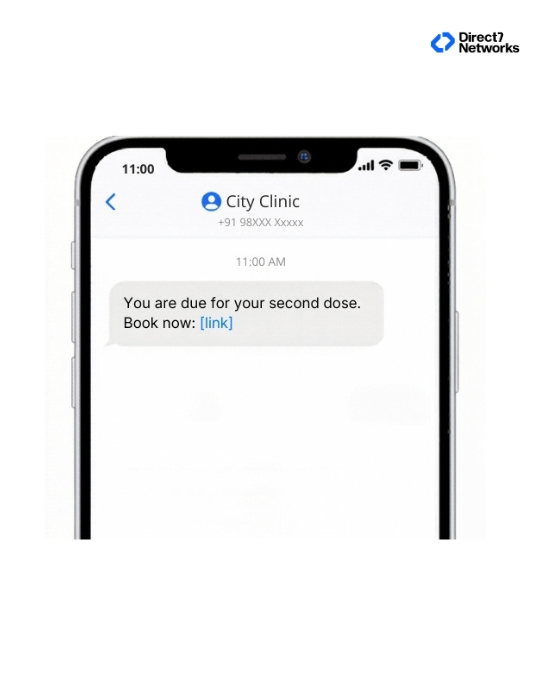
- Follow-ups for second or booster doses
- Post-vaccination care instructions
Studies and real-world campaigns have shown that vaccination SMS notifications significantly reduce missed appointments and increase compliance.
Testing and Awareness Messages
These messages aim to educate and guide behavior without creating panic.
Examples:
- Symptoms to watch for
- Testing center locations
- Preventive guidelines
- Myth-busting during outbreaks
This form of public health messaging helps maintain clarity and trust, especially when misinformation spreads quickly.
Government Emergency Broadcasts
These are high-priority alerts often delivered nationally or regionally.
Examples:
- Emergency curfews
- Quarantine orders
- Disaster-related health advisories
In many countries, these messages are integrated into centralized mass alert systems that ensure rapid and simultaneous delivery.
What We Learned from Real-World Deployments
Public health agencies around the world have used SMS extensively during COVID-19 and a few clear patterns emerged.
- Speed beats perfection
Messages that were short and actionable performed better than long, detailed explanations. - Repetition improves compliance
One message isn’t enough. Regular reminders increased adherence to guidelines and appointments. - Localization matters
Messages in local languages and tailored to regional realities, saw higher engagement. - Trust is everything
Messages sent from recognizable government or healthcare sender IDs had significantly higher impact.
These lessons continue to shape how organizations approach emergency SMS communication today.
How to Structure Effective Emergency SMS Messages
In a crisis, clarity matters more than creativity. Every word must serve a purpose.
A practical structure used by many public health teams:
[Authority] + [Situation] + [Action] + [Timeframe]
Example: Emergency SMS Template
“Ministry of Health: COVID-19 cases rising in your area. Avoid gatherings and wear masks in public. Effective immediately.”
Why this works:
- Identifies the sender (builds trust)
- Clearly states the issue
- Provides a direct action
- Defines urgency
Vaccination Reminder Message Flow (Proven Sequence)
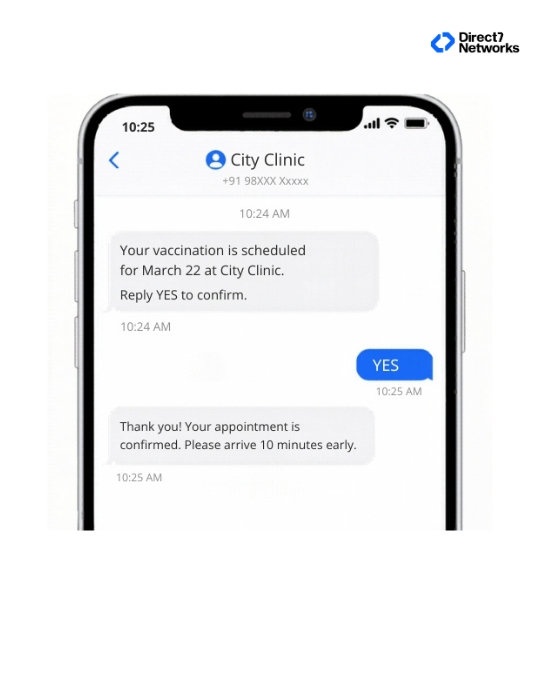
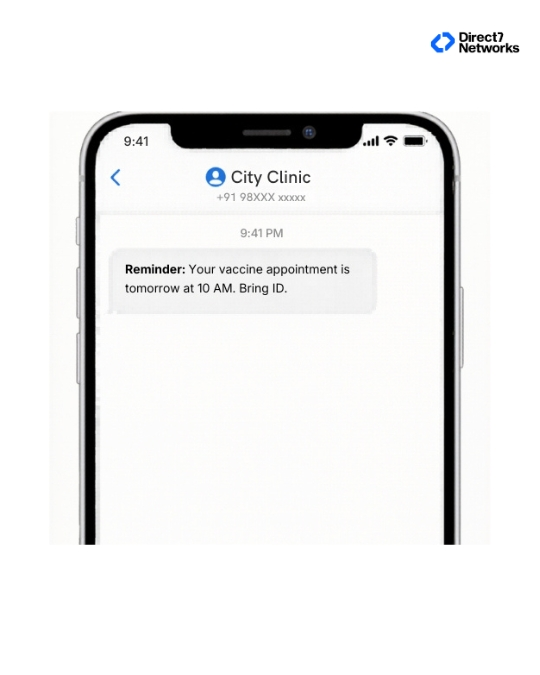
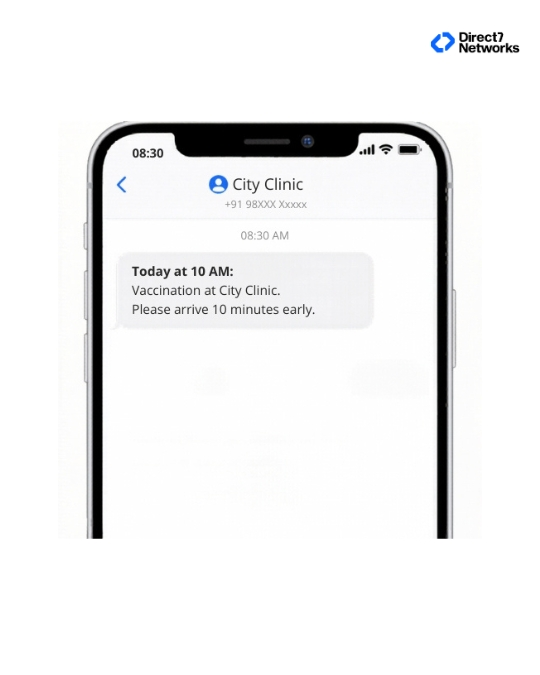
A single reminder isn’t enough. Effective vaccination SMS notifications follow a sequence:
1.Confirmation Message
2. Reminder (24–48 hours before)
3. Same-Day Reminder
4. Follow-Up (for second dose or booster)
Public Health Campaign Messaging Sequence
For broader awareness campaigns, a simple sequence helps maintain consistency:
1. Awareness Message
Introduce the issue (symptoms, outbreak, prevention)
2. Action Message
Tell people exactly what to do
3. Reinforcement Message
Repeat key behaviors over time
4. Update Message
Share new developments or changes
This approach ensures that public health messaging remains clear, consistent, and actionable.
Timing, Frequency, and Language: What Works in Practice
Getting the message right is only part of the equation. Delivery strategy matters just as much.
Timing
- Send urgent alerts immediately
- Schedule reminders during waking hours
- Avoid late-night messaging unless critical
Frequency
- Avoid message fatigue
- Increase frequency during peak crisis periods
- Reduce gradually as the situation stabilizes
Localization
- Use local languages wherever possible
- Adapt tone to cultural context
- Consider literacy levels keep language simple
These details often determine whether a message is acted on or ignored.
Compliance and Consent in Healthcare Messaging
Even in emergencies, privacy and compliance cannot be overlooked.
Key considerations:
- Obtain consent where required (especially for non-emergency messaging)
- Follow regional data protection regulations
- Avoid sharing sensitive personal health data via SMS
- Use secure systems for data handling
Balancing urgency with responsibility is essential for maintaining public trust.
The Technology Behind Large-Scale SMS Alerts
Behind every successful campaign is a reliable delivery infrastructure.
Modern mass alert systems rely on SMS APIs to send millions of messages within minutes. These systems allow organizations to:
- Trigger alerts automatically based on data
- Segment audiences by location, risk level, or demographics
- Integrate with healthcare databases and CRMs
- Monitor delivery and response rates in real time
For example, platforms like D7 Networks are designed to handle high-volume messaging during peak demand, ensuring that critical alerts are delivered without delay even during network congestion.
This scalability becomes crucial when minutes can impact outcomes.
A Simple Crisis Communication Checklist Using SMS
For teams managing public health communication, this checklist helps maintain clarity under pressure:
- Is the message short and actionable?
- Does it clearly identify the sender?
- Is the target audience correctly segmented?
- Is the timing appropriate for urgency?
- Has the message been localized if needed?
- Are compliance requirements met?
Running through this before sending alerts can prevent confusion and improve effectiveness.
Where SMS Makes the Biggest Difference
Not every communication needs SMS but in public health emergencies, certain scenarios demand it:
- Rapid outbreak alerts
- Vaccination drives with tight timelines
- Rural or low-connectivity regions
- High-risk population targeting
- Situations where immediate action is required
In these moments, SMS isn’t just helpful it becomes indispensable.
Final Thoughts
When public health systems are under strain, communication becomes a frontline tool. The ability to reach millions of people instantly, clearly, and reliably can influence behavior at scale.
That’s exactly what pandemic SMS alerts, vaccination SMS notifications, and broader emergency SMS communication deliver.
They don’t replace healthcare systems but they make those systems more responsive, more coordinated, and ultimately more effective.
And in a crisis, that difference can save lives.