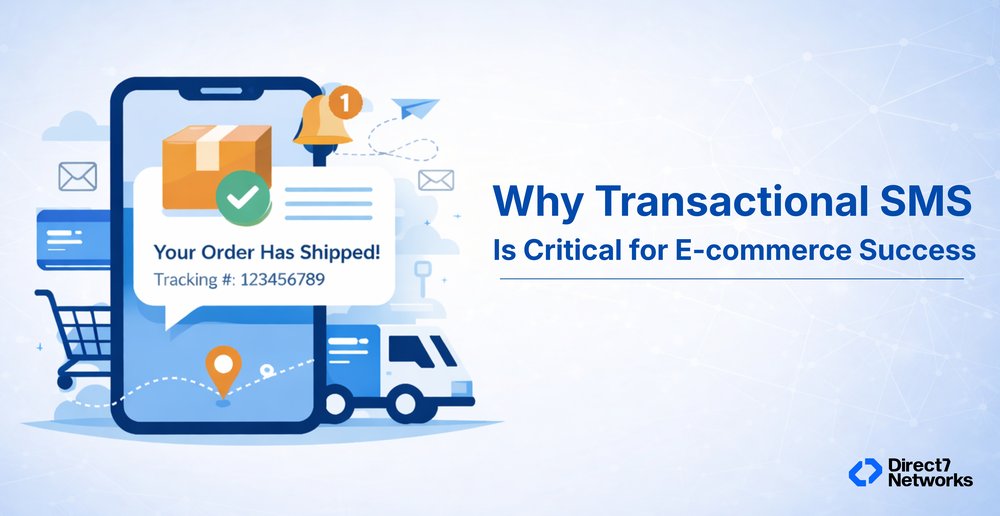

Why Transactional SMS Is Critical for E-commerce Succes
You place an order online and instantly start wondering: Did it go through? When will it arrive? What if something goes wrong?
Now imagine getting a message within seconds confirming your order, followed by timely updates as it moves through delivery. No guesswork, no anxiety just clarity.
That’s the difference transactional SMS makes in e-commerce. It quietly supports every critical moment in the customer journey, from login to delivery, and often determines whether a customer trusts your brand enough to return.
The Role of Transactional SMS in the Ecommerce Journey
Transactional SMS works in the background, but it touches nearly every stage of the buying experience:
- Account access → OTP for e-commerce login
- Purchase confirmation → order confirmation SMS
- Order fulfillment → shipping notification SMS
- Delivery updates → real-time alerts and confirmations
These messages aren’t promotional they’re expected. Customers rely on them for accurate, time-sensitive information.
Unlike email or app notifications, SMS doesn’t depend on internet access or app installs. It reaches users instantly, which makes it ideal for high-priority communication.
Why These Messages Are Essential for Trust and Experience
1. Instant reassurance reduces drop-offs
After checkout, silence creates doubt. A fast order confirmation SMS reassures customers that their payment and order are secure.
Without it, support tickets increase and cancellation rates rise especially for first-time buyers.
2. OTPs protect accounts without slowing users down
Security is critical, but friction kills conversions. A well-timed OTP for e-commerce login strikes the right balance.
- Fast delivery → smoother login experience
- One-time usage → strong protection
- No dependency on apps → works for all users
Many e-commerce platforms now use OTPs not just for login, but also for:
- Checkout verification
- Password resets
- High-value transactions
3. Delivery updates reduce anxiety (and support load)
Customers don’t just want their orders they want visibility.
A shipping notification SMS keeps them informed at every stage:
- Order shipped
- Out for delivery
- Delivered
This simple flow significantly reduces:
- “Where is my order?” queries
- Failed delivery attempts
- Customer frustration
Why SMS Outperforms Other Channels
Most businesses use multiple communication channels, but SMS stands out when timing matters.
High open and read rates
SMS messages are typically read within minutes. Compare that to emails that may sit unopened for hours or never get seen at all.
Works without internet or apps
Not every customer has:
- A stable internet connection
- Your mobile app installed
- Notifications enabled
SMS cuts through all of that.
Better engagement for critical actions
When a message requires immediate attention like an OTP or delivery update, SMS consistently delivers higher response rates.
Real-World Impact in E-commerce
Example 1: Faster checkout with OTP
An online fashion retailer noticed users abandoning checkout during account login.
They simplified the process by introducing OTP for e-commerce login instead of passwords.
Result:
- Reduced login friction
- Increased checkout completion rates
- Lower password reset requests
Example 2: Reduced support queries with delivery updates
A consumer electronics brand implemented automated shipping notification SMS at each delivery stage.
Result:
- Significant drop in support tickets
- Improved customer satisfaction scores
- Fewer missed deliveries
Example 3: Building trust with instant confirmations
A D2C skincare brand added real-time order confirmation SMS after payment.
Result:
- Increased repeat purchases
- Fewer payment-related concerns
- Higher perceived reliability
Practical Frameworks You Can Apply
1. The Ideal Order Confirmation Flow
A strong confirmation message should include:
- Order ID
- Product summary
- Payment confirmation
- Expected delivery timeline
- Support link
Example:
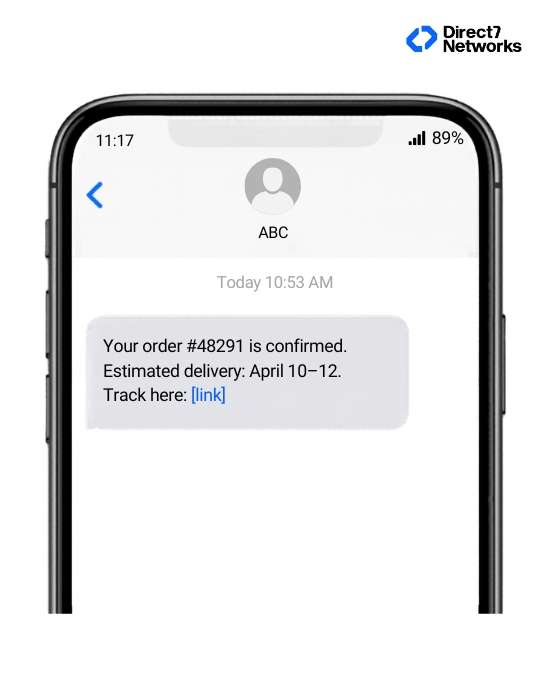
Keep it short, clear, and actionable.
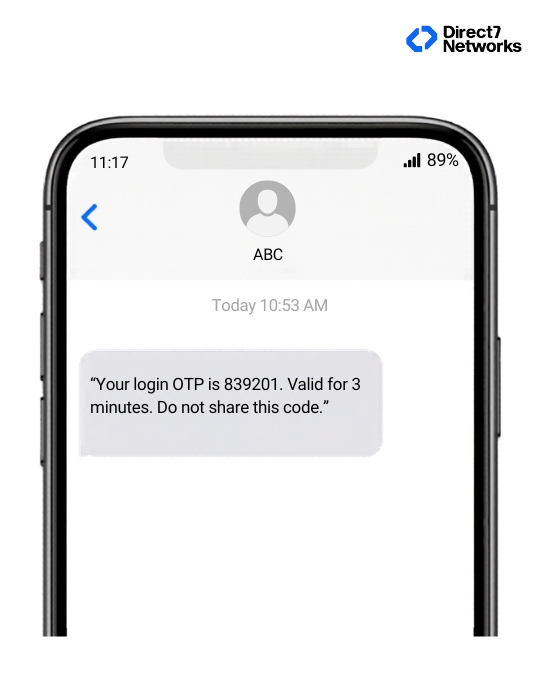
2. OTP Best Practices for E-commerce Login
To make OTPs effective:
- Deliver within seconds
- Keep validity short (e.g., 2–5 minutes)
- Avoid sending multiple OTPs too quickly
- Include context (“Login attempt” or “Payment verification”)
Example:
3. Shipping Notification Sequence
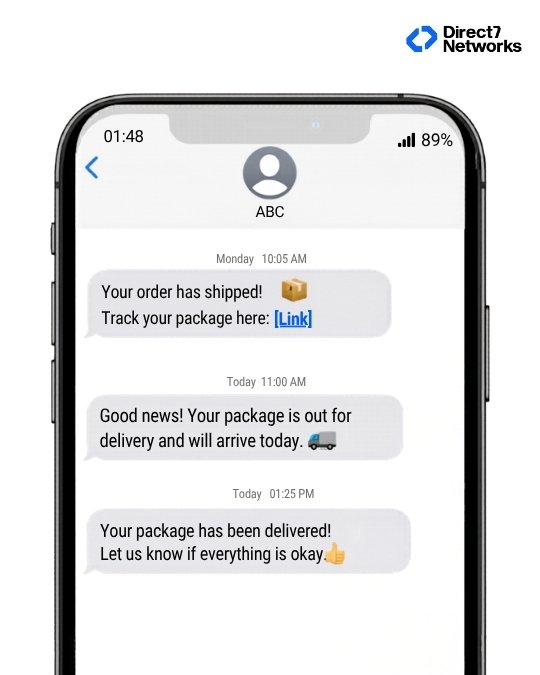
Instead of a single update, use a sequence:
- Order shipped
- Out for delivery
- Delivered confirmation
This keeps customers informed without overwhelming them.
4. Timing and Trigger Strategy
Automation is key, but timing matters.
- Send confirmation immediately after payment
- Trigger shipping SMS when the order leaves the warehouse
- Schedule delivery alerts on the day of arrival
Avoid delays, late messages reduce trust.
Personalization Makes a Big Difference
Transactional messages don’t need to be generic.
Simple personalization improves engagement:
- Use the customer’s name
- Reference the product category
- Include location-based delivery info
Even small touches make messages feel relevant and trustworthy.
Compliance and Reliability Matter
Transactional SMS must follow regional regulations (like consent and sender ID rules).
Beyond compliance, reliability is critical:
- High delivery rates
- Low latency
- Global reach
Infrastructure providers like D7 Networks are often used to ensure messages are delivered quickly and consistently across regions, especially for OTPs and time-sensitive alerts.
Where Teams Should Focus
For different teams, the priorities vary:
- Product teams: Optimize triggers and workflows
- Marketing teams: Ensure clarity and tone consistency
- Operations teams: Align SMS updates with logistics systems
When these functions work together, transactional SMS becomes a seamless part of the customer experience not an afterthought.
The Bigger Picture
Transactional SMS isn’t just about sending updates it’s about removing uncertainty at every step.
When customers feel informed:
- They trust your platform more
- They contact support less
- They are more likely to return
Conclusion
In e-commerce, small moments shape big decisions. A timely OTP, a clear confirmation, or a simple delivery update can turn a one-time buyer into a loyal customer.
Transactional SMS works because it delivers the right message at the right time without friction, delay, or dependency on other channels.
If there’s one takeaway: don’t treat these messages as backend operations. They are part of your customer experience and often the most reliable one.